Tennessee Planting Guide: What Vegetables to Sow Each Month
A Tennessee planting calendar is useful only when it fits your part of the state, your garden’s conditions, and the weather in front of you. A month-by-month plan can help you choose what to sow, but it should not be treated as a promise that every bed is ready on a fixed date. Here is how to use the seasons to plan vegetable sowing and adjust when conditions differ.
Build a Tennessee planting plan around conditions
The University of Tennessee Institute of Agriculture describes the calendar as intended to help plan a residential vegetable garden and fruit production. For a vegetable bed, that means thinking beyond the day a seed goes in: you are also planning what will follow it, when you expect to harvest, and how you will manage the bed as the weather changes.
The University of Tennessee Institute of Agriculture says to use the calendar to schedule planting, harvesting, and management practices. A calendar is a planning tool, not a substitute for checking the soil, reading seed-packet instructions, or watching the forecast. If conditions are unsuitable, delaying a sowing can be more productive than following a date simply because it appears on a schedule.
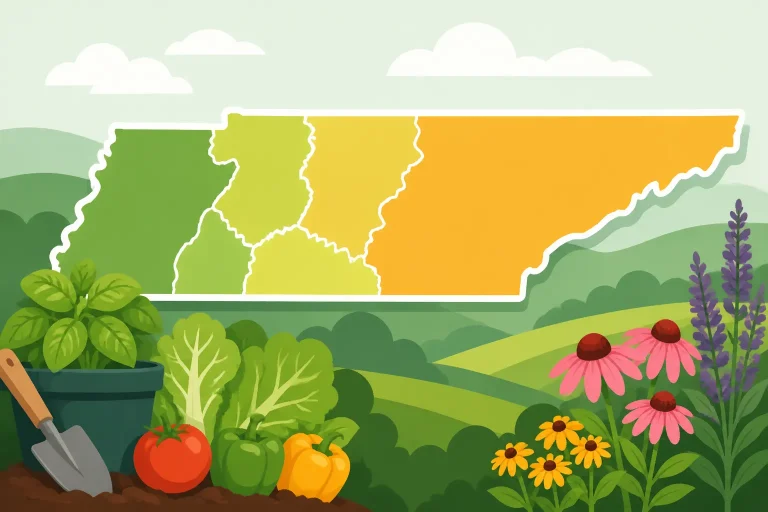
Tennessee is not one uniform garden site. Conditions in western, middle, and eastern parts of the state can differ, and elevation, slope, wind exposure, shade, soil drainage, and nearby buildings can affect a particular yard. Even two beds in the same neighborhood may warm at different rates. A low spot that holds cold air or water may be slower to prepare than a raised bed in a sunny, sheltered location.
Use the month names below as seasonal prompts. The recommendations are broad categories rather than exact statewide planting dates. Match them to your local conditions and the crop’s needs. For a regional view of sowing windows, see Tennessee Vegetable Planting Calendars: Adjusting for Region and Cool-Season vs Warm-Season Crops: Sowing Windows for Tennessee.
| Month | Main planning focus | Possible garden work |
|---|---|---|
| January | Plan, review, and prepare | Choose crops, check seed supplies, map beds, and plan indoor sowing |
| February | Start the season cautiously | Prepare beds when workable and consider cool-season sowing in suitable conditions |
| March | Emphasize cool-season crops | Sow or transplant greens, peas, roots, and other crops that tolerate cool weather |
| April | Continue cool-season sowing and assess warmth | Keep succession sowing; prepare for warm-season crops without assuming the soil is ready |
| May | Shift toward warm-season planting | Set out tender crops when local frost risk and soil conditions allow |
| June | Maintain and make follow-up sowings | Harvest, weed, water as needed, and consider suitable heat-tolerant or quick crops |
| July | Look ahead to autumn | Plan fall beds, start suitable transplants, and protect plants from heat stress |
| August | Establish fall crops | Sow or transplant crops suited to cooling conditions, while keeping new sowings watered |
| September | Continue the autumn succession | Plant suitable greens and roots, harvest summer crops, and prepare space for follow-up sowings |
| October | Harvest and protect | Gather mature crops, monitor cold forecasts, and decide which beds remain productive |
| November | Finish, cover, and review | Harvest remaining crops, clear spent plants, and prepare beds for the next season |
| December | Rest and plan again | Review what worked, organize supplies, and sketch the next garden plan |
The table does not make every crop a good fit for every month. A crop’s maturity time, the condition of your soil, and the expected weather all matter. A long-maturing crop started late may not finish before unsuitable weather arrives, while a quick crop may fit a shorter opening between larger plantings. For calculations based on local freeze information, see Calculating Sowing Dates from Local Spring Freeze Normals and Using Fall Freeze Dates to Calculate Tennessee Sowing Windows.
January through April: plan, prepare, and favor cool-season crops
January: plan before the beds are ready
January is a useful month for choosing what you want to grow rather than trying to force the garden outdoors. Review which crops your household actually uses, how much room each needs, and whether you have enough sun for the plan. A compact garden benefits from prioritizing reliable favorites over planting more varieties than you can manage.
Sketch the beds before buying seed. Mark where tall or trellised crops could shade shorter plants, and leave access for harvesting and watering. If you grew vegetables in the same beds last season, plan to move crop groups where practical. Rotation will not prevent every pest or disease, but changing the location of related crops can help avoid repeatedly putting the same group in the same bed. Tennessee Crop Rotation: Planning Beds Across Spring and Fall explains how to think through that sequence.
Check stored seed packets for the crop name, planting instructions, and any notes you made about germination or harvest. If you need to buy seed, choose crops and varieties that suit your available space and the length of your growing window. Botanical Interests seed packets can be one source of crop-specific sowing directions; compare those directions with local conditions rather than assuming a packet’s timing fits every Tennessee yard.
Use winter planning to decide whether you will start plants indoors or sow directly in the garden. Indoor starting can give a gardener more control over germination and early growth, but seedlings need suitable light, moisture, and room. Direct sowing avoids transplanting stress for crops that do best when their roots are not disturbed. For a broader start-up plan, see Starting a New Tennessee Garden: What and When to Plant.
February: prepare carefully and watch conditions
February can feel like the start of gardening season, but a warm afternoon does not necessarily mean a bed is ready for seed. Soil that is wet, cold, or compacted can be difficult to work and may not support quick, even germination. Check the bed itself. If it smears or sticks heavily to tools, wait for it to dry rather than digging through it.
If the soil is workable and the crop is suited to cool conditions, consider early sowing of suitable greens or other cool-season vegetables. In a colder or exposed site, the same work may need to wait. A sheltered bed, a sunny spot, or a protective structure can change the conditions, but protection does not remove the need to monitor temperature and moisture.
February is also a reasonable time to start planning indoor seedlings. Do not start every crop at once. Each kind of seedling has its own preferred lead time, and seedlings kept indoors too long can become lanky or root-bound before outdoor conditions are suitable. If you are sowing indoors, provide enough light and avoid keeping the growing medium saturated. For timing and setup, consult How Many Weeks Ahead to Sow Tennessee Vegetable Transplants Indoors and Setting Daily Grow Light Hours for Tennessee Indoor Starts.
Prepare beds without turning a wet garden into a compacted one. Remove weeds you can identify, make a plan for paths, and check drainage after rain. If you are unsure whether a site stays too wet for vegetables, observe how water moves through it before investing in repeated sowings. Fitting a Vegetable Garden to Your Yard’s Real Soil covers site decisions that can matter as much as the calendar.
March: make cool-season crops the priority
March is a natural planning window for cool-season vegetables, especially when the soil is workable. Depending on the site and current conditions, gardeners may sow or transplant crops such as lettuce, spinach, peas, radishes, and other greens or roots suited to cooler weather. Treat that as a crop category, not a promise that every yard is ready at the same time.
A modest sowing is easier to protect and manage than a large planting made under uncertain conditions. If a cold spell is forecast, have a plan for young plants, or delay sowing until conditions are more settled. Row covers can help buffer some weather exposure when used appropriately, but they require attention and may need to be opened or removed as conditions change. See Using Row Covers for Frost: When to Cover and When to Vent Beds for practical decisions about covered beds.
Direct sowing and transplanting have different advantages. Peas and root crops are commonly sown where they will grow, while some leafy vegetables can be either direct-sown or transplanted. Transplants can give a bed a head start, but they need to be hardened off before moving outdoors. A seedling raised in a protected indoor setting is not automatically prepared for wind, direct sun, or fluctuating outdoor temperatures. Hardening Seedlings to Protect Against Late Spring Freezes explains how to make that transition more gradually.
Use March to establish a succession plan rather than sowing the whole season’s supply in one go. Staggered sowing can spread harvests and reduce the chance that everything matures at once. The spacing between sowings should fit the crop, the available bed space, and your household’s use. For a more detailed approach, see Succession Sowing Guide: Maximizing Your Tennessee Season.
April: continue cool crops and judge warmth for yourself
April often brings a mix of cool days, warm afternoons, and changing conditions. Continue suitable cool-season sowing where it makes sense, but also begin preparing for warm-season crops. The important distinction is between getting ready and planting a tender crop outdoors. A calendar can signal when to pay attention; the weather and soil determine whether a particular bed is ready.
Cold soil can slow seed germination and root growth for warmth-loving crops. If you are preparing to plant a crop such as beans, squash, or corn, check the crop’s soil and temperature requirements instead of relying only on a warm spell. A soil thermometer can help you assess the bed rather than guessing from the air temperature. See Using Soil Thermometers to Gauge Safe Spring Planting Dates and Checking Soil Warmth Before Sowing Sweet Corn in Tennessee Beds.
Keep indoor seedlings growing steadily, but do not rush them outside just because they have reached a convenient size. A tender transplant needs time to adjust to outdoor light and wind, and it may be damaged by a late cold snap. If plants are becoming crowded indoors, that is a cue to review your transplant timing and available protection, not to skip acclimation. Are You Too Early or Late? Sizing Up Spring Seedling Readiness can help you assess whether seedlings are ready for the next step.
May through August: shift crops as warmth builds and summer progresses
May: move toward warm-season crops without ignoring frost risk
May is commonly the transition from cool-season gardening toward warm-season planting, but there is no single safe day for every Tennessee garden. Tender crops such as tomatoes, peppers, cucumbers, squash, and beans need conditions that support active growth. A sheltered urban bed may warm sooner than a windy, shaded, or elevated garden. Check the local forecast and your garden’s history before setting out sensitive plants.
Warm-season seedlings need to be hardened off, and the bed should be prepared before transplanting. Water the seedlings appropriately before moving them, choose a suitable time of day, and avoid leaving newly planted starts to face harsh sun or drying wind without support. If conditions remain uncertain, holding plants briefly in a protected place may be safer than putting them into an unready bed.
Do not treat frost protection as a guarantee. Covers can reduce exposure in some situations, but they have limits, and a cover can overheat a bed in strong sun if left in place. For decisions about setting out warm crops and protecting them, see Planting Warm-Season Crops in Tennessee: Tender Vegetable Dates, Waiting for Low Freeze Risk Before Setting Out Sensitive Crops, and Can You Plant Tomatoes Early if You Use Frost Covers?.
May is also a good time to start a succession of warm-season crops rather than filling every available space at once. If a crop has a short harvest period, later sowings may extend the supply. Consider the room needed for mature plants and avoid crowding seedlings in a rush to use a bed. Tomatoes, peppers, squash, and cucumbers may look small at planting, but their mature foliage and roots need space.
June: harvest, maintain, and use open space deliberately
By June, many gardens are focused on maintaining growing crops and harvesting early plantings. Keep picking crops when they are ready, remove damaged or diseased plant material when appropriate, and watch for weeds before they become difficult to manage. Regular observation makes it easier to notice whether a plant is stressed by heat, pests, disease, or uneven moisture.
Water based on the condition of the bed and the plants, not a fixed calendar reminder. Newly planted seedlings and established crops can have different needs. Soil type, wind, sun exposure, mulch, and rainfall all affect how quickly a bed dries. A shallow, frequent sprinkle may not serve the same purpose as water reaching the active root zone. For practical guidance, see Watering Your Tennessee Garden: Weekly Amounts and Timing and How Often to Water Tennessee Vegetable Gardens.
An opening left by a harvested crop can be replanted, but first consider whether the next crop has time to mature under the conditions ahead. Quick-growing crops may fit into a small gap, while crops that need a long stretch of favorable weather may be a poor choice. Do not sow simply because an empty bed feels unproductive. A short rest, a cover crop, or preparing the bed for autumn can be a better use of space.
Summer heat can stress even crops that are otherwise well established. Watch for wilt, leaf scorch, poor flowering, or fruit that fails to develop as expected. Those symptoms can have multiple causes, so check soil moisture and plant condition before assuming a plant needs more water or fertilizer. When Does Hot Weather Wilting Mean Tennessee Plants Need Water? and Protecting Tennessee Gardens in Peak Summer: Heat Stress Solutions offer ways to assess summer stress.
July: begin thinking about autumn while summer crops are still growing
July is a useful time to plan the fall garden. Some autumn crops need to be started while summer is still underway so they can establish before conditions cool. Heat and drying soil can make these sowings challenging, so prepare the bed, keep new seedings evenly moist, and consider how to provide temporary shade or protection if the site is exposed.
Choose fall crops based on the space you expect to have and the time they need to mature. Greens and brassicas are common candidates for autumn beds, while root crops may fit where the soil is loose and the bed can be kept consistently moist during establishment. Check the seed packet for maturity information and compare it with the growing window you expect locally. The timing is different for direct-sown crops and transplants raised indoors.
Starting transplants in a shaded, protected spot can help keep them from drying out during hot weather, but heat management matters. Seedlings may struggle in small containers that warm and dry quickly. Check them often and avoid letting them wilt repeatedly. For crop-specific fall transplant guidance, see Starting Fall Brassica Transplants in Tennessee by Late July and Tennessee July Garden Calendar: Sowing Fall Brassica Transplants.
July is also a good moment to clear out summer crops that are finished or badly damaged. Remove spent vines and weeds before they harbor problems or take over space needed for fall planting. Keep healthy productive plants if they still have room and are producing. The decision should be based on crop health, harvest, and the space required for the next planting, not on a rigid calendar. See When to Clear Spent Summer Vines to Prepare Autumn Garden Beds.
August: establish fall crops and protect the new sowings
August is a key month for moving fall plans into the ground. Sow suitable crops or transplant starts according to their requirements and the conditions in your yard. Direct-sown seeds need steady moisture to germinate, while young transplants need time to root and recover. In hot weather, keep an eye on the bed’s surface because seed can dry out quickly even when the deeper soil is moist.
Make the planting easier by preparing the bed before sowing. Remove finished crop material, loosen the planting area without working soil that is too wet, and make sure the bed drains adequately. If you are reusing a bed, consider what grew there before and whether a different crop group would be a sensible choice. Add mulch only in a way that does not bury seeds or smother small seedlings.
Do not assume that every cool-season crop should be planted at once. The best timing depends on the crop’s maturity, local conditions, and the harvest you want. A fast crop can be used to fill an opening, while a slower crop needs enough time to establish. For a more complete autumn plan, see Tennessee Fall Vegetable Gardening: Greens, Roots, and Brassicas, Timing a Tennessee Fall Garden: Sowing Second-Season Greens, and Planting Schedules for Fall Root Crops Across Tennessee.
New fall seedlings can be vulnerable to heat and pests. Check them often, water when the soil and plants indicate a need, and make sure protective materials do not trap excessive heat. If you use a shade cloth or cover, monitor how the bed responds rather than leaving it unattended. Using Garden Shade Cloth Against Scorching Summer Sun covers ways to reduce harsh exposure while keeping plants under observation.
September through December: extend harvests and close the season thoughtfully
September: keep sowing where the season allows
September can still offer useful planting opportunities, particularly for crops suited to cooler weather. Continue with suitable greens and roots where local conditions and the crop’s expected maturity make sense. If a sowing is already established, focus on keeping it growing steadily rather than adding more crops than you can tend.
This is also a month to pay attention to the difference between a sunny afternoon and a reliable growing period. Days may feel warm while nights become cooler, and the amount of time remaining for a crop to mature is shrinking. Check the packet’s maturity information, but remember that actual growth can be slower when conditions are less favorable than those assumed by the packet.
Harvest summer crops promptly as they mature. Regular harvesting can keep some crops producing, and it makes room for new plantings when a bed is ready to turn over. Clear out plants that are no longer productive or are badly affected by disease. Avoid pulling healthy crops prematurely if they are still producing and the bed is not needed.
If your fall bed is exposed to a cold pocket, windy slope, or low-lying area, consider how that affects your crop choices and protection plan. Conditions can vary across a yard, so record which beds remain productive later and which ones cool or become wet sooner. That observation is often more useful for next season than copying a calendar date without context. See Cool-Season Vegetable Timing in East Versus West Tennessee for regional considerations.
October: harvest and respond to the forecast
October is a month for balancing continued harvest with preparation for colder weather. Pick mature crops before a cold spell when practical, and check each crop’s tolerance rather than assuming all vegetables respond alike. Some cool-season plants may continue to produce through chilly conditions, while tender crops can be damaged sooner.
Keep an eye on forecasts and use covers only when the material and setup suit the situation. Covers need to be secured, and plants should not be trapped under them in conditions that become too warm. A light cover and a heavy cover do not perform identically, so choose protection based on the expected conditions and the crop. Choosing Blankets, Tarps, or Frost Cloth for Garden Freezes and Protecting Tennessee Fall Crops When an Early Freeze Threatens provide more detail.
A cold forecast is also a cue to check the garden rather than panic-harvest everything. Decide what is ready, what can remain protected, and what should be used soon. Remove damaged plant parts when appropriate and avoid leaving rotting vegetables in the bed. Healthy plant material can be managed according to the needs of the garden, while diseased material may need separate handling.
For crops you hope to keep harvesting, a simple plan helps: know what is ready to pick, what is likely to be vulnerable, and what protection is available. The first cold night does not always mean the entire garden is finished. Plant response depends on the crop and the actual conditions. Does the First Light Frost End Your Tennessee Fall Harvest? explains why the forecast and the crop matter.
November: harvest, tidy, and protect useful beds
In November, prioritize remaining harvests and decide which beds will stay active. Remove plants that are finished, clear weeds, and avoid leaving diseased debris where it could create future problems. If healthy crops remain, continue caring for them as long as conditions allow. A bed that is still productive does not need to be cleared simply because the month has changed.
Use the quieter part of the season to improve the next plan. Note which crops performed well, which sowings missed their window, and where water pooled or the soil dried too quickly. These observations can guide choices about crop placement, bed preparation, and irrigation. If a crop did poorly, look for more than one possible cause: timing, drainage, soil conditions, pests, disease, and heat or cold can all affect performance.
If you plan to use mulch or other bed protection, make sure it is appropriate for the crop and does not create a soggy or poorly ventilated area. Covering bare soil can help protect the bed, but materials should be managed with the next planting in mind. For seasonal tasks, see Tennessee November Garden Calendar: West, Middle, and East and Preparing Tennessee Raised Garden Beds in Late Fall for Winter Rest.
Keep any late-season harvest plan practical. Store crops according to their needs, and do not leave produce outside longer than conditions allow. A small amount of well-timed harvest is often more useful than trying to preserve every plant through weather it cannot tolerate.
December: review the season and prepare for the next one
December is a good time to review the year rather than treat the garden as a blank slate. Look at your notes, photographs, seed packets, and harvest records. Which crops were worth the space? Which ones were difficult to keep watered? Did a shady bed underperform, or did a sheltered spot stay warm longer than expected? Such details help you adjust the plan to your own yard.
Consider whether your beds need changes before the next season. A path may need to be widened, a trellis repositioned, or a drainage problem addressed. Avoid making major soil changes based only on appearance or guesswork. If you have a question about nutrients or acidity, use appropriate soil testing and follow the recommendations for your garden rather than applying amendments at random. Reading Garden Soil Test Results and Planning Soil Amendments explains how to use soil information in planning.
The University of Tennessee Institute of Agriculture says the Home Fruit and Vegetable Calendar is updated yearly to support backyard fruit and vegetable growing in Tennessee. Checking the current calendar can help you align your own seasonal notes with updated recommendations, while your observations fill in the details of your property and gardening goals.
Match sowing to crop groups, not just month names
A month-by-month list is easiest to use when you understand the broad difference between cool-season and warm-season crops. Cool-season vegetables generally suit the cooler portions of the growing cycle. Warm-season vegetables need warmer conditions to germinate and grow well. The exact transition depends on where you garden and what the weather is doing, so use crop groups to narrow your choices and then confirm the conditions for each crop.
Cool-season crops
Cool-season crops include many leafy greens, peas, and root vegetables. They can be useful early in the season and again as conditions cool. Some can be direct-sown, while others are commonly transplanted. Their ideal conditions differ, and not all tolerate the same amount of cold, heat, or transplant disturbance.
When planning these crops, consider how quickly the bed will warm and how soon the weather is likely to become less favorable. A crop that grows well in cool weather may bolt, become bitter, or stop producing as temperatures rise. Succession sowing can spread the harvest, but each sowing still needs a suitable window. If you want lettuce in both the spring and autumn, see Spring and Fall Lettuce Planting Windows in Tennessee.
Warm-season crops
Warm-season crops such as tomatoes, peppers, beans, squash, cucumbers, and corn need appropriate warmth before planting or sowing. For many of these crops, soil warmth matters as well as air temperature. Tender seedlings can be damaged by cold conditions even when a sunny day makes the garden feel ready.
Different warm-season crops have different habits. Tomatoes and peppers are generally planted as transplants, while beans and many squash can be direct-sown. A crop that spreads or climbs will need a different bed layout from a compact crop. Make sure the planting space is ready before moving seedlings out, and leave room for mature growth and harvesting.
Some warm-season crops may produce poorly during prolonged heat or dry spells. If fruit set slows or leaves wilt, do not assume that extra fertilizer will solve the problem. Check moisture, plant health, and growing conditions first. Vegetables That Keep Bearing Through Hot Tennessee Summers can help with choosing crops that may suit a hot stretch, while Timing Vegetable Crops to Dodge Peak Tennessee Summer Heat addresses how to plan around seasonal stress.
Direct sowing or indoor starts
Direct sowing is often the simplest route for crops that establish well in place. It avoids transplant handling and lets roots grow without being disturbed. The trade-off is that germination and early growth depend on outdoor conditions, and the bed may need protection from crusting, drying, or pests.
Indoor starts provide more control during germination, but seedlings need enough light, suitable temperatures, and careful watering. They also need to be moved outdoors gradually. Starting too early can leave a gardener with crowded plants before the bed is ready, while starting too late can delay the harvest. Check the seed packet and use crop-specific guidance rather than using one indoor schedule for every vegetable.
Buying transplants can simplify the process, especially if you need only a few plants. Choose healthy plants suited to your growing conditions, and harden them off if they have been raised in a protected environment. For help weighing the options, see New to Tennessee Gardening: Sowing Seeds or Buying Transplants.
Adjust the calendar to your garden and make the plan workable
Read the site before you sow
A planting calendar assumes that the garden has a suitable place to grow. Before sowing, check whether the bed receives enough sun for the crop, drains well, and has workable soil. A bed that stays soggy can delay planting and expose roots to poor conditions. A bed that dries quickly may need closer attention after sowing, especially in hot or windy weather.
Observe the garden across the day and through changing weather. Nearby trees can cast more shade as they leaf out. A wall can shelter plants from wind while also reflecting heat. A slope may drain and warm differently from a flat area. Keep notes about those patterns so you can place crops where they are most likely to succeed. For guidance on checking sunlight, see Measuring Sunlight Hours in Tennessee Garden Beds.
Make regional timing a decision, not an assumption
A statewide planting guide cannot capture every difference between a garden in a low, sheltered neighborhood and one in a cooler or more exposed location. Use regional recommendations as a starting point, then account for your own conditions. If you garden in an elevated area or a valley where cold air settles, your workable planting window may differ from that of another gardener elsewhere in Tennessee. High-Elevation Planting Calendars: Adjusting for Cooler Nights and Valley Freeze Timelines: Planning Spring Planting to Fall Frost discuss those kinds of local adjustments.
Weather station information can help you understand local patterns, but averages do not predict the conditions in a particular year. A favorable average date is not a guarantee that a cold snap will not occur. When a sensitive crop is involved, weigh the risk of planting early against the inconvenience of waiting. Young plants can be especially vulnerable to a sudden change.
Keep the calendar flexible
Treat each month as a checkpoint. Ask what is ready to sow, what is nearly ready, and what should wait. If a bed is waterlogged, do not work it just to keep the calendar on schedule. If a cold spell is approaching, protect or postpone vulnerable crops. If a crop has finished early, use the space for a suitable next planting rather than leaving the bed idle by default.
A useful garden record does not need to be complicated. Write down the crop, where it was planted, how it performed, and any conditions that affected it. Record whether germination was poor, whether the soil stayed wet, or whether plants struggled in heat. These notes can help you distinguish a timing problem from a soil, water, or pest problem.
Use the seed packet for crop-specific directions and consult current regional calendar guidance when you are unsure. A calendar is most valuable when it makes the next decision easier, not when it encourages you to plant on a day that does not suit the garden.
Common planning mistakes to avoid
One common mistake is treating every month’s recommendation as a fixed rule. The same month can bring very different conditions across Tennessee and from year to year. A month heading should prompt you to check the bed and forecast, not override what they show.
Another is starting too many seeds indoors. Seedlings need space, light, and care, and they can outgrow their containers before outdoor conditions are suitable. Start only the plants you can accommodate, and use crop-specific timing. If you are buying transplants, select plants that are healthy and not badly stressed.
Gardeners can also underestimate how much room a mature crop needs. A bed may look spacious when seedlings are small, then become crowded after leaves spread and vines run. Crowding can make harvesting difficult and restrict airflow. Plan for mature size, access, and support before sowing.
A further mistake is ignoring water during establishment. New seeds and transplants can be more sensitive to drying than established plants. At the same time, constantly wet soil can also harm plants. Check the soil and the plant rather than watering automatically.
Finally, avoid blaming every poor result on the planting date. Germination and harvest are affected by seed quality, soil structure, drainage, light, pests, disease, temperature, and care. If a crop fails, adjust one part of the plan at a time where possible. That makes it easier to identify what actually improved the result.
Frequently Asked Questions
Should I follow the month-by-month recommendations exactly?
Use them as seasonal prompts rather than fixed commands. Check current weather, soil conditions, the crop’s needs, and local guidance before sowing or transplanting.
Can I plant warm-season vegetables as soon as spring feels warm?
A warm afternoon is not enough to show that a bed is ready. Check soil warmth, the forecast, and the crop’s sensitivity to cold before putting tender plants outside.
What should I plant if I am starting a garden late?
Choose crops suited to the conditions and the remaining growing window, and check their expected maturity information. A shorter-season crop may fit better than one that needs a long period to mature.
Is direct sowing better than buying transplants?
Neither is always better. Direct sowing avoids transplanting and suits many crops, while transplants can help establish crops that are commonly started indoors. Choose based on the crop, your available space, and how much seedling care you can provide.
Sources
- University of Tennessee Institute of Agriculture — UTIA Real. Life. Solutions. (checked November 15, 2026)
- University of Tennessee Institute of Agriculture — Fruit | UT Hort (checked November 15, 2026)
Disclaimer
This article is for general informational purposes only and does not constitute professional advice. Laws, prices and regulations vary by location and change over time. Consult a qualified professional for guidance on your specific situation. Tennessee Gardening Guide is not a government agency and is not affiliated with any university extension, state department of agriculture or other government agency.