Understanding Zone 7b in Central and Western Tennessee
If you garden in central or western Tennessee, a zone 7b label can help you compare plants—but it cannot tell you exactly when to sow seeds or set out transplants. The key is knowing what the zone measures, where its limits are, and how to combine it with local frost patterns, soil conditions, and your garden’s own microclimate.
What Zone 7b Tells You
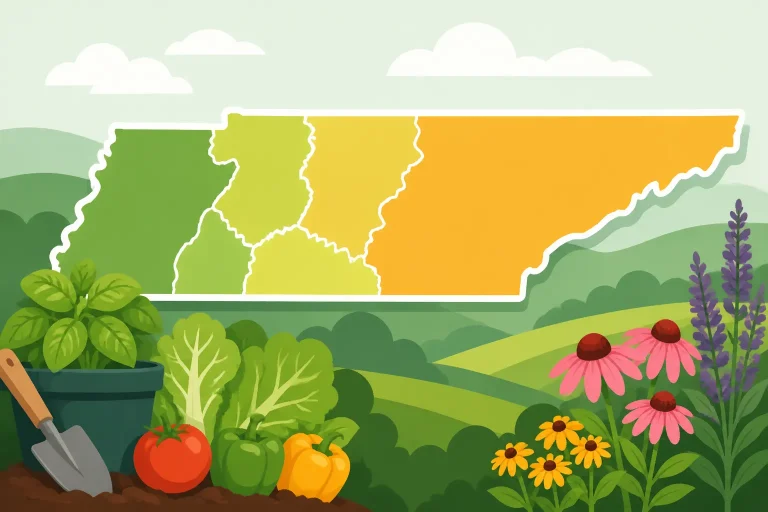
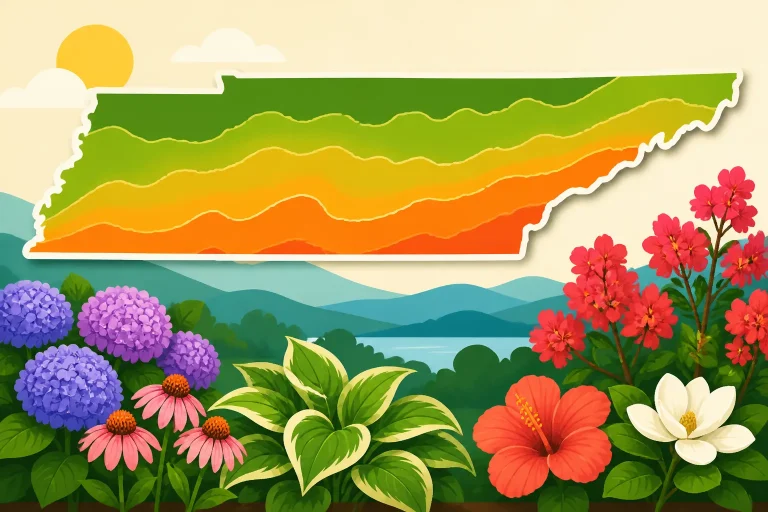
The USDA Plant Hardiness Zone Map groups areas by their average annual extreme minimum winter temperature. Zone 7b is a winter-hardiness category: it helps estimate whether a perennial plant, shrub, or tree is likely to withstand typical cold conditions in a location. Areas of central and western Tennessee fall in zone 7b, though the zone does not cover every site in either region.
That information is useful when choosing plants that stay in the ground for several years. If a plant is rated for a colder climate than your site, it is more likely to tolerate winter cold there. A plant suited only to warmer conditions may be at greater risk during a severe cold spell. The rating is a guide, not a guarantee: winter conditions vary, and factors such as wind exposure, soil drainage, and snow cover can affect how a plant fares.
A hardiness zone is not a calendar. It does not tell you the best date to plant tomatoes, how long your growing season will be, or when the first fall frost will arrive. Those decisions depend on seasonal weather patterns and the crop or plant in question, as well as the conditions at your site.
The distinction matters because gardeners often try to use a zone label to answer several different questions:
| Question | What helps answer it |
|---|---|
| Is a perennial likely to tolerate typical winter cold here? | Hardiness zone |
| When might a spring or fall frost occur? | Local frost-date information and weather forecasts |
| When should a vegetable be sown or transplanted? | Crop needs, soil conditions, frost risk, and regional planting guidance |
| Will a plant cope with the conditions in this particular bed? | Sun, drainage, wind, soil, and nearby structures |
A ZIP code or a broad area can fall in zone 7b, but a zone map is too coarse to predict conditions at every individual garden. If you are checking a particular part of Tennessee, begin with Finding Your Tennessee Hardiness Zone by Local ZIP Code. For a closer look at why neighboring locations may not share the same conditions, see How Tennessee Hardiness Zones Vary Across Town Borders.
It is also helpful to separate plant survival from plant performance. A plant may survive winter in zone 7b yet struggle with summer heat, poorly drained ground, dry soil, or too much shade. Conversely, a plant may be listed for a colder zone but still need protection in a windy or exposed bed. The zone is one useful screening tool, not a complete description of a site.
Why Zone 7b Does Not Set Planting Dates
The biggest practical mix-up is treating hardiness zones as planting calendars. Zone 7b describes a pattern of winter cold; frost dates describe the chances of freezing weather during particular parts of the year. The two are related to climate, but they answer different questions.
A vegetable that is sensitive to frost may be damaged by a late spring freeze even if the garden sits in zone 7b. In autumn, a plant may be harmed by an early freeze before it has finished producing. A zone label cannot tell you which spring or fall dates are safe. Frost dates are probabilities, not fixed appointments, and the weather in any given year can depart from the average.
For vegetables, timing also depends on whether a crop prefers cool or warm conditions. Some crops can be sown into cooler soil and may tolerate light frost; others need warmer soil and protection from cold. A warm spell early in spring does not necessarily mean the risk of another cold night has passed. Likewise, a mild autumn forecast does not guarantee that tender plants will avoid a freeze later.
Use local seasonal guidance for those choices. Tennessee Frost Dates: Spring and Fall Freeze Timelines can help put frost risk into context, while Tennessee Growing Season Guide: Frost Dates to Fall Harvesting connects seasonal timing with the broader growing season. For crop-by-crop planning, compare those resources with Tennessee Planting Guide: What Vegetables to Sow Each Month and Tennessee Vegetable Planting Calendars: Adjusting for Region.
A useful way to plan is to treat each source as answering a separate question:
- Check the hardiness zone when deciding whether a perennial, tree, or shrub is a reasonable winter-hardiness match.
- Check regional planting guidance to identify a suitable sowing or transplanting window for a vegetable.
- Consider recent and forecast weather before planting a frost-sensitive crop.
- Check the garden itself for cold pockets, exposed areas, warm walls, and soil that is still too cool or wet.
This approach prevents a common error: seeing zone 7b on a map and assuming all planting can happen on the same date across the region. Central and western Tennessee contain different local conditions, and even two gardens in the same community may have different exposure, drainage, and frost risk.
How Site Conditions Can Change the Picture
A zone map cannot account for every feature of a yard. Gardeners sometimes notice that one part of a property loses tender growth to frost while another part stays comparatively mild. That difference can come from the way cold air moves, the amount of wind a site receives, nearby buildings, and the slope or shape of the land.
Cold air and elevation
Cold air can settle in low spots, especially on calm nights. A garden at the bottom of a slope may therefore experience colder conditions than a nearby bed on higher ground. A sheltered position can also differ from an open, windy one. These small-scale effects do not change the official zone label, but they can affect the success of plants that sit near their cold-tolerance limit.
When observing your yard, note where frost remains longest, where cold air seems to collect, and whether the site is open to winter wind. A few seasons of observation can reveal patterns that a regional map does not show. That information is especially useful before planting a marginally hardy ornamental or placing early spring crops in a low, exposed bed.
Sun, shade, and structures
A sunny bed beside a wall may warm sooner than an open bed, while shade can delay soil warming in spring. Walls and paved surfaces can also affect temperature locally. These differences may help a plant or crop in one season and create extra stress in another. A warmer spot is not automatically better: it may dry out more quickly or expose plants to stronger summer heat.
Before choosing a planting location, track how much sun it receives and how that pattern changes through the day. Measuring Sunlight Hours in Tennessee Garden Beds offers a useful way to assess light, and Tennessee Home Vegetable Gardening Guide: Soil, Sun, and Care covers the basic site factors that shape vegetable growth.
Soil and drainage
Winter hardiness does not compensate for waterlogged soil. Roots in poorly drained ground can be damaged, and plants under stress may be less resilient when cold arrives. Heavy soil, compacted areas, and low spots that hold water can create problems even when a plant’s zone rating appears suitable.
Check whether water drains away after rain before planting a shrub or perennial. Raised beds can warm and drain differently from the native ground around them, so they may support earlier planting in some circumstances—but they can also dry faster. For practical details, see How Soil Types and Raised Beds Affect Home Garden Irrigation. When planning a permanent bed, Fitting a Vegetable Garden to Your Yard’s Real Soil can help you think through the soil conditions before committing to a layout.
A good site assessment considers several factors together: winter exposure, spring sun, summer shade, drainage, and access to water. If a plant is close to the edge of what zone 7b suggests, choosing a sheltered, well-drained location may improve its chances. It still does not make the plant guaranteed to succeed, so consider how much replacement risk and maintenance you are willing to accept.
Using Zone 7b to Choose Landscape Plants
For trees, shrubs, and perennials, use the zone rating as an early filter rather than a final verdict. Start by checking whether the plant is considered hardy for your area. Then look at its other needs: sun exposure, soil moisture, drainage, mature size, and tolerance for local summer conditions.
A plant can be winter-hardy but unsuitable for a particular yard. For example, a plant that needs consistently moist soil may struggle in a dry, exposed bed. Another may tolerate the winter cold but need more sun than a shaded site provides. Matching the plant to the whole site is more reliable than choosing by zone alone.
Consider these questions before buying:
- Is the plant’s winter rating a reasonable match? Use zone 7b as a starting point, especially for plants that remain outdoors year-round.
- Does the plant suit the bed’s light? Confirm whether it needs full sun, partial shade, or deeper shade.
- Will the soil drain as the plant requires? Avoid assuming that all parts of a yard have the same drainage.
- Can the plant handle the summer conditions? Winter survival does not mean it will cope with heat or dry spells.
- Is the planting location exposed? A sheltered site may be more appropriate for a plant near its hardiness limit.
- Is the plant’s mature size appropriate? A suitable zone cannot prevent crowding or future pruning problems.
For plants near the margin of their listed hardiness, choosing a protected site can reduce exposure but cannot remove all risk. Severe cold can occur, and local conditions may be less favorable than the zone map suggests. It is sensible to avoid making a whole landscape dependent on one marginal plant. A mix of plants with a range of tolerances can make a planting more resilient.
The same caution applies to plants sold as annuals, tender perennials, or container plants. A label may describe how a plant handles winter in the ground, but a plant in a pot may be more exposed to cold because its roots are less insulated. If you plan to keep a tender plant from year to year, consider whether you can protect or move it when cold weather threatens.
For vegetables, zone 7b is less useful as a direct planting-date tool. It can still provide general climate context, but crop-specific guidance and weather conditions should lead the decision. A vegetable calendar that accounts for Tennessee’s regional differences is more practical than applying the zone label to every crop.
A Practical Planning Routine for Central and Western Tennessee
You do not need to choose between using a hardiness zone and following a planting calendar. They work best together. Use the zone to screen perennial choices, then use seasonal timing and site observations to plan annual crops and refine planting locations.
A simple routine can keep those decisions organized:
- Identify the location broadly. Check whether your area falls in zone 7b, but do not assume that every nearby property shares the same conditions.
- Separate permanent plantings from seasonal crops. Use hardiness information primarily for plants expected to overwinter outdoors. Use crop calendars and frost guidance for vegetables.
- Map the yard’s differences. Note shaded areas, sunny beds, low spots, wind exposure, and places that warm early.
- Check drainage before planting. A zone match will not solve a wet-soil problem.
- Plan around the crop, not the label alone. Follow regional sowing and transplanting guidance, and consider soil warmth and weather.
- Keep records. Record planting dates, frost damage, and which parts of the yard performed well. Over time, those notes help translate regional guidance to your own garden.
- Stay flexible. If a cold forecast appears, delay planting or protect vulnerable crops as appropriate. A calendar is a planning aid, not a promise about the weather.
The same routine can help prevent both early and late planting. Planting tender vegetables because the map says zone 7b can expose them to a damaging freeze. Waiting too long because you expect the zone to tell you when a crop is safe can also shorten the time available for growth. Regional calendars provide a better starting point, while current weather and garden conditions help determine whether a particular day is suitable.
For a mixed garden, it can help to keep a separate note for each type of planting. A perennial bed needs a winter-hardiness and site-fit check. A spring vegetable bed needs a sowing window, soil conditions, and frost-risk check. A fall vegetable bed needs enough time for the crop to mature before cold weather limits growth. That distinction makes zone information more useful without asking it to do a calendar’s job.
The central takeaway is straightforward: zone 7b can help you judge winter hardiness in central and western Tennessee, but it does not predict a frost-free date or guarantee that a plant will thrive. Combine it with regional planting advice, the conditions in your yard, and the needs of each plant. For month-by-month vegetable choices, start with Tennessee Planting Guide: What Vegetables to Sow Each Month and adjust your plan when local weather or site conditions call for it.
Frequently Asked Questions
Does zone 7b mean every part of central and western Tennessee has the same climate?
No. Some areas fall in zone 7b, but the zone map does not capture every local difference. Elevation, slope, wind, shade, buildings, and drainage can all affect conditions in a particular garden.
Can I use zone 7b to decide when to plant tomatoes?
Not by itself. A hardiness zone does not give a safe tomato planting date. Use regional vegetable planting guidance and consider spring frost risk, soil warmth, and the weather before setting out tender plants.
Does a plant rated for zone 7b always survive winter in a zone 7b garden?
No. The rating is a helpful guide, not a guarantee. A plant may still be affected by severe cold, poor drainage, exposure, or other site stresses. Check its full growing requirements and choose a suitable location.
Should I make my garden decisions based on a ZIP code?
A ZIP code can help you look up general zone information, but it cannot describe every yard within that area. Use it as a starting point, then account for your property’s conditions and local planting guidance.
Disclaimer
This article is for general informational purposes only and does not constitute professional advice. Laws, prices and regulations vary by location and change over time. Consult a qualified professional for guidance on your specific situation. Tennessee Gardening Guide is not a government agency and is not affiliated with any university extension, state department of agriculture or other government agency.